
Surge in Rape Cases Alarms Yemeni Society: Victims Demand Justice and Accountability
Introduction:
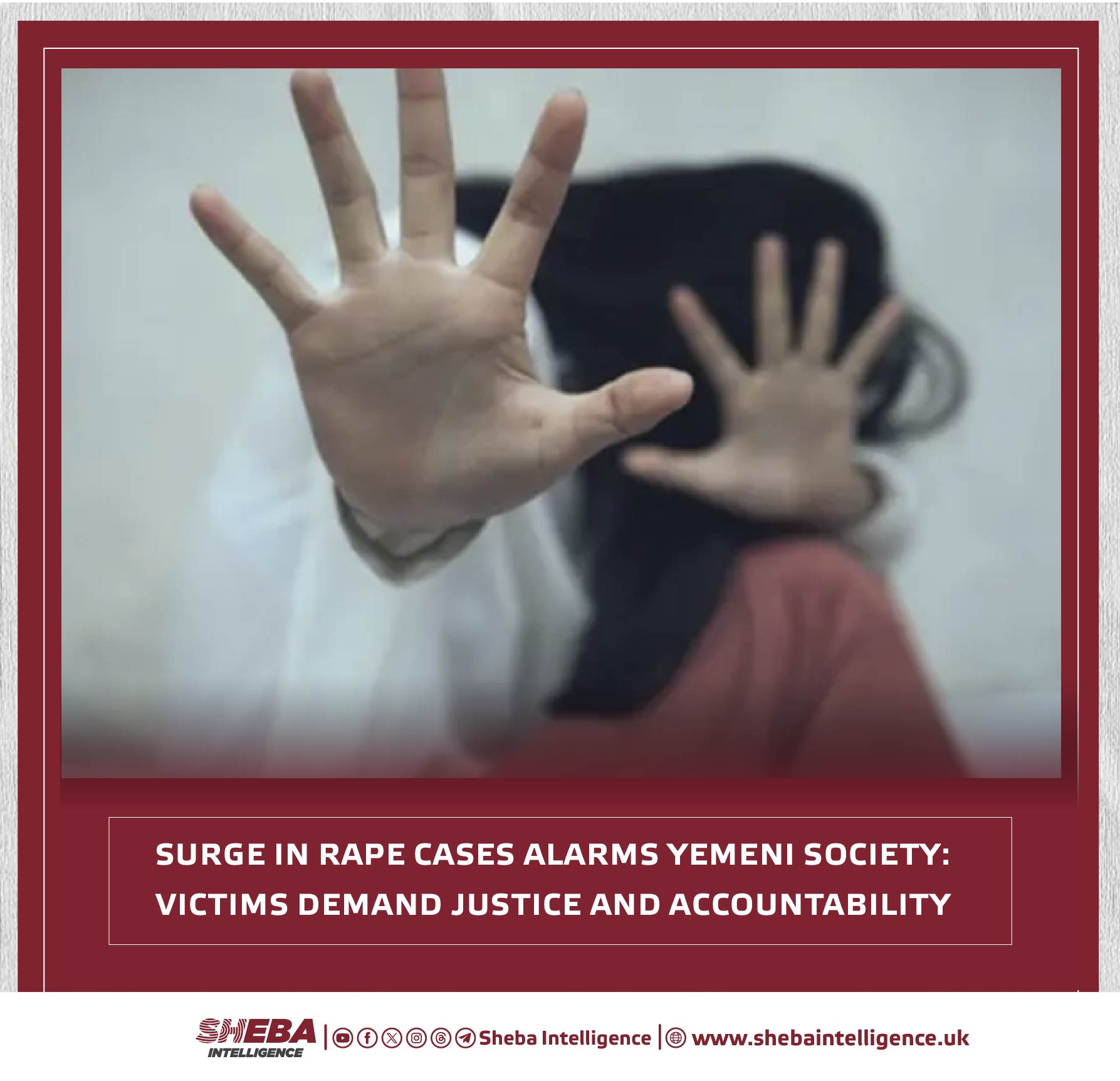
Yemen is grappling with a disturbing rise in rape cases, transforming what were once rare and isolated incidents into a pervasive threat to the social fabric. The situation is particularly alarming as many victims are minors and children. Areas controlled by the Houthi group report the majority of these cases, adding a layer of complexity to an already dire scenario. Former detainee Sonia’s harrowing testimony to the French Newspaper La Croix sheds light on the grim reality faced by many: "I was raped by several men, and I can't tell my relatives. I come from a rural area." As the Yemeni society wrestles with this alarming crisis, calls for justice and accountability grow louder.
Public Shaming as a Deterrent
A few days ago, the father of a girl named Jannat took to social media to reveal that his daughter was raped by a man in his thirties. The crime occurred in the Artel area of Sanhan district, south of Sana’a. Jannat became a new victim of rape crimes in Yemen, but her father, Taher, breaking traditional social norms, informed people about the crime and demanded the perpetrator be punished. For the first time in a tribal society, a rapist was publicly shamed by the victim's father, while such cases are usually handled secretly at the cost of innocent childhood.
Rape of the Most Vulnerable
Some reports indicate the involvement of militant militias in rape cases. The press reported the rape of a girl with special needs named Ashwaq by a Houthi leader named (Saleh K.) last February 2024. Instead of punishing the perpetrator, the victim's family was threatened if they filed an official complaint, with promises to resolve it tribally. The latest of these stories involved the killing of a rapist by the brother of a girl with special needs who had been raped. The brother avoided the death penalty due to the community's support for him and his sister, as well as the tribe of the deceased rapist disowned him.
Human Rights Reports
The American Center for Justice (ACJ) highlighted, in conjunction with International Women's Day, that women in Yemen have faced severe violations, including murder, injury, violence, arrest, and sexual harassment. These abuses are attributed to weak state institutions and a lack of security oversight. Additionally, women face illegal detentions, deprivation of the right to protest and express opinions, and barriers to accessing education and healthcare. The "Entesaf" organization for women and child rights reported 712 cases of rape on the western coast and 452 in Aden Governorate. The Irada Organization reported that approximately 350 girls were detained and raped by Houthi militias, along with the rape of 18 children. A 2021 human rights reporthighlighted the violations by the Houthi Ansar Allah group against women. In a seminar organized by the Women’s Alliance for Peace in Yemen, the March 8 Bloc for Yemeni Women, and the Yemeni Organization for Combating Human Trafficking, 71 cases of rape were documented.
International Reports
The UN Panel of Experts on Yemen, in their 2021 report to the Security Council on January 25, revealed "humanitarian violations" committed by militias controlling Sana’a against Yemeni women and children, including rape in prisons and secret detention centers run by the Houthis. The international mission investigated 17 cases involving 50 victims of human rights law violations related to detention, including sexual violence and torture by the warring militias.
Official Reports
The latest official report from the Ministry of Interior, issued before the Houthis' takeover of Sana’a, revealed that police recorded 74 rape cases in the first half of 2014. However, the pervasive culture of shame and stigma surrounding rape often leads to many incidents going unreported, as victims and their families frequently choose to remain silent.
The Problem and Solutions
Government reports and non-governmental organizations link many rape cases in Yemen to the country’s deep-rooted issues: poverty and ongoing conflict. These factors contribute to the proliferation of illicit activities, including drug trafficking, family disintegration, child recruitment, and high dropout rates from schools. Consequently, many women and children are forced to spend long hours on the streets in search of basic necessities. The problem is further aggravated by the state's diminishing enforcement capabilities and the control exerted by militias, alongside a decline in moral standards and inadequate religious deterrence among offenders.
Addressing this crisis requires several critical actions: enhancing state authority, encouraging citizens to report crimes, enforcing stringent penalties for perpetrators, and mobilizing local and tribal communities to take preventive measures, such as public shaming and ostracizing offenders. Additionally, it is crucial to review and amend laws to impose harsher penalties for rape to better address and mitigate this issue.